Food Harvesting
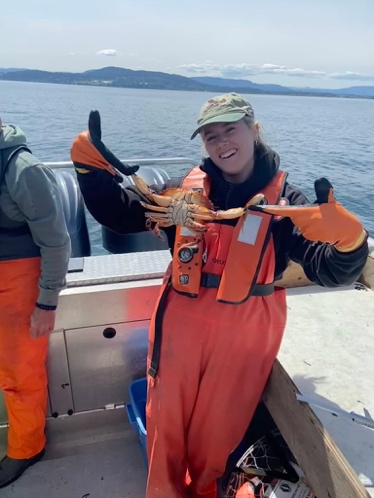
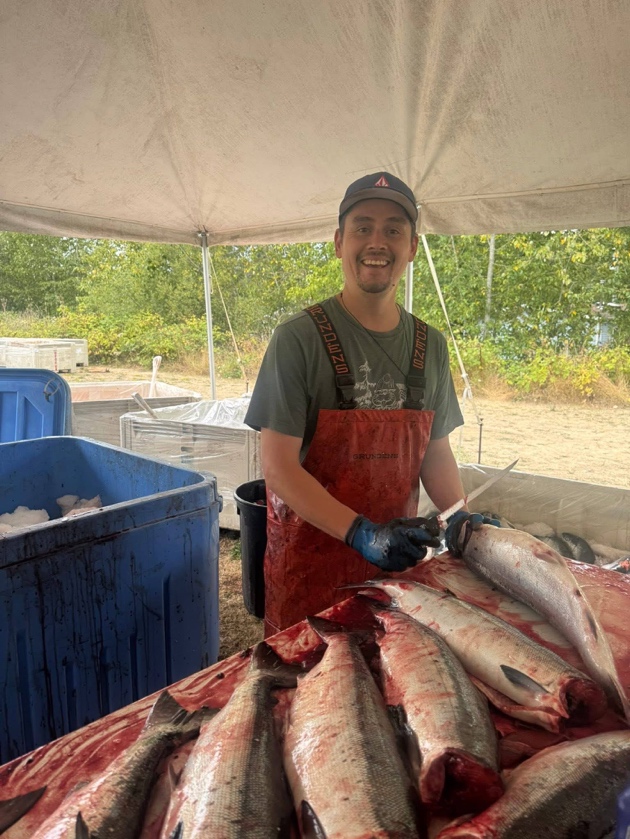
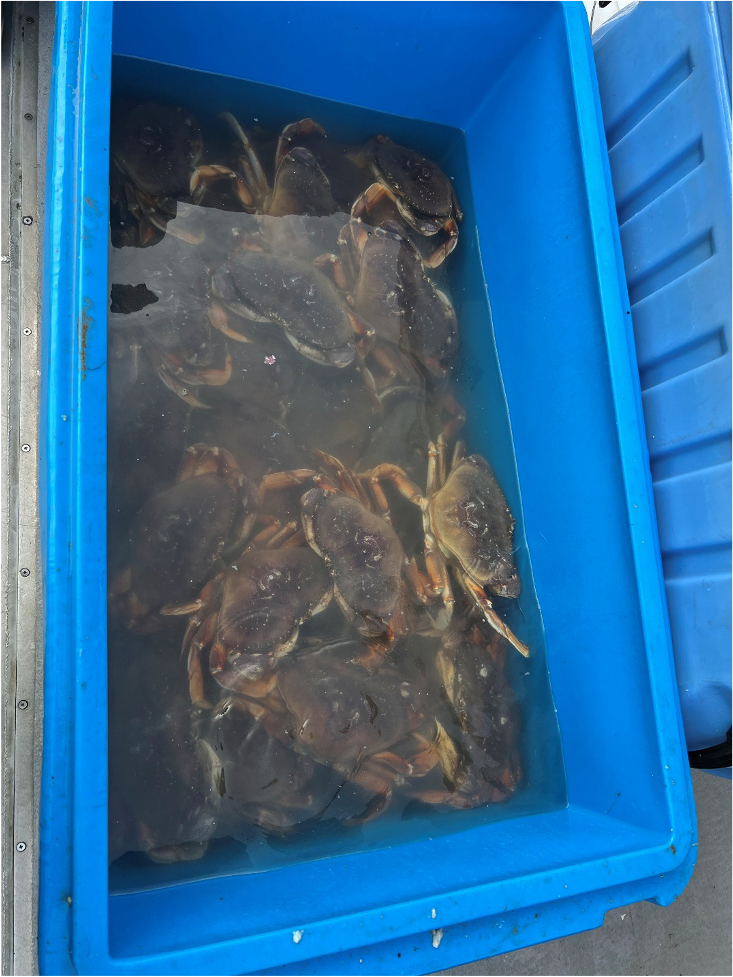
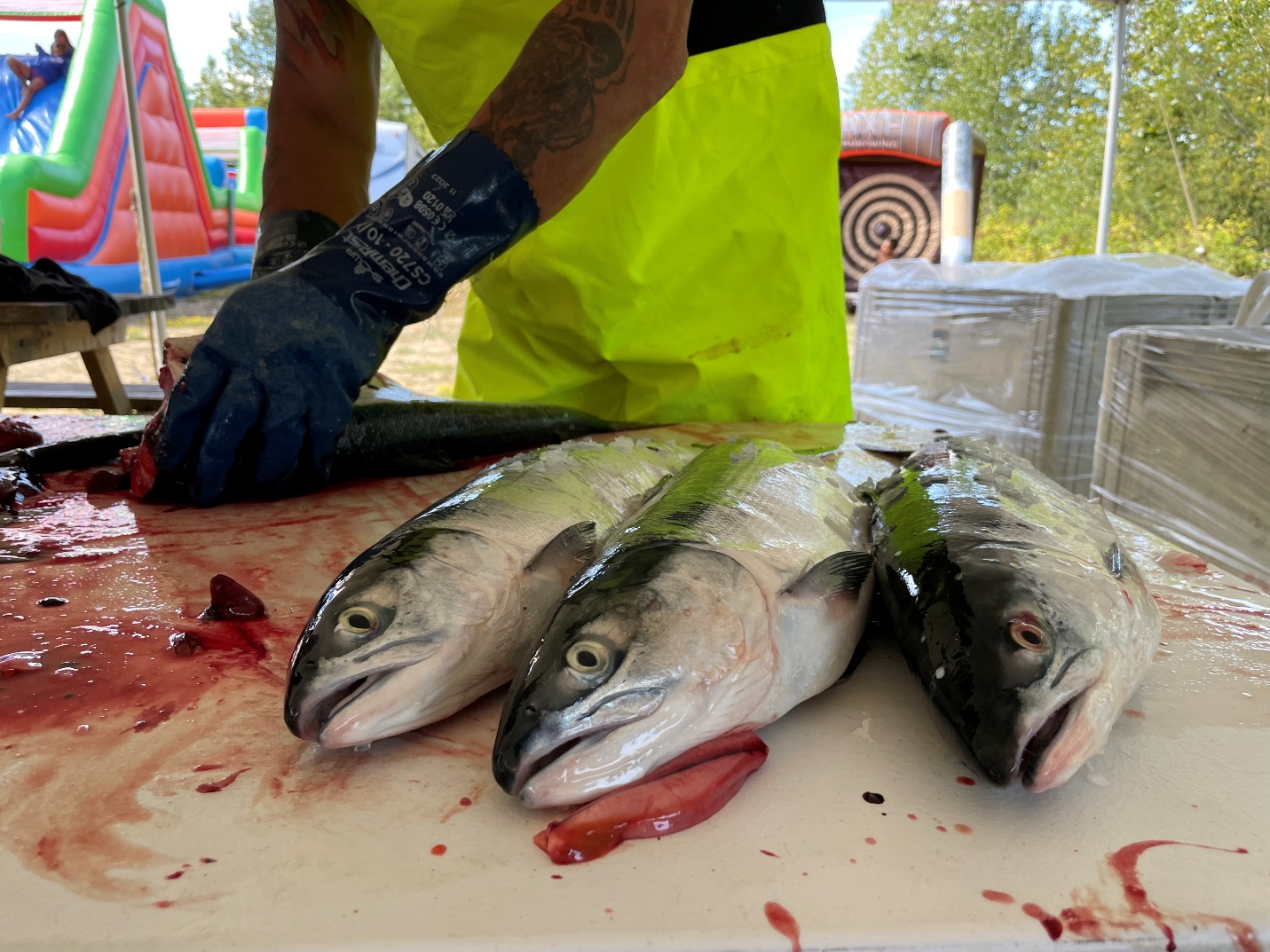
SȾÁUTW̱ Fisheries works hard to provide the community with access to food, social and ceremonial (FSC) seafood through fish distributions. Catching and distributing seafood directly to the community provides healthy, culturally grounded food without relying on external systems. Food fish distributions take up time and resources and the timing of the distributions are often dependent on weather, fishers, community events, staff availability, and the fish runs.
Inline with W̱SÁNEĆ teachings, we prioritize providing seafood to our elders and vulnerable populations. It is critical to get these healthy foods to people who may have challenges in accessing these resources themselves.
SȾÁUTW̱ members are encouraged to keep an eye on our newsletter and Facebook to hear about food distribution days. You can also check out the posting below for regular updates on when food distributions will be happening.
Douglas Treaty
As a signatory of the Douglas Treaty 1852, SȾÁUTW̱ First Nation has the constitutionally protected right to “carry on our fisheries as formerly”. This means our Nation can continue to fish and harvest marine foods in our territory as we have always done. The Douglas Treaty did not grant this right but promised the protection of this inherent right along with several others.
These rights were further affirmed through SȾÁUTW̱’s historic Saanichton Marina case which further concluded that “the word ‘fishery’ may be used to denote not only the right to catch fish but also the place where the right can be exercised” (Saanichton Marina Ltd. v. Claxton, [1989]).
These rights take priority over fishery closures and do not depend on provincial or federal licensing systems. Instead, SȾÁUTW̱ harvests in accordance with our own laws, teachings, and responsibilities to the land and waters, with a strong emphasis on the W̱SÁNEĆ teaching to “only take what you need.”
Food Sovereignty
“When the tide is out, the table is set.”
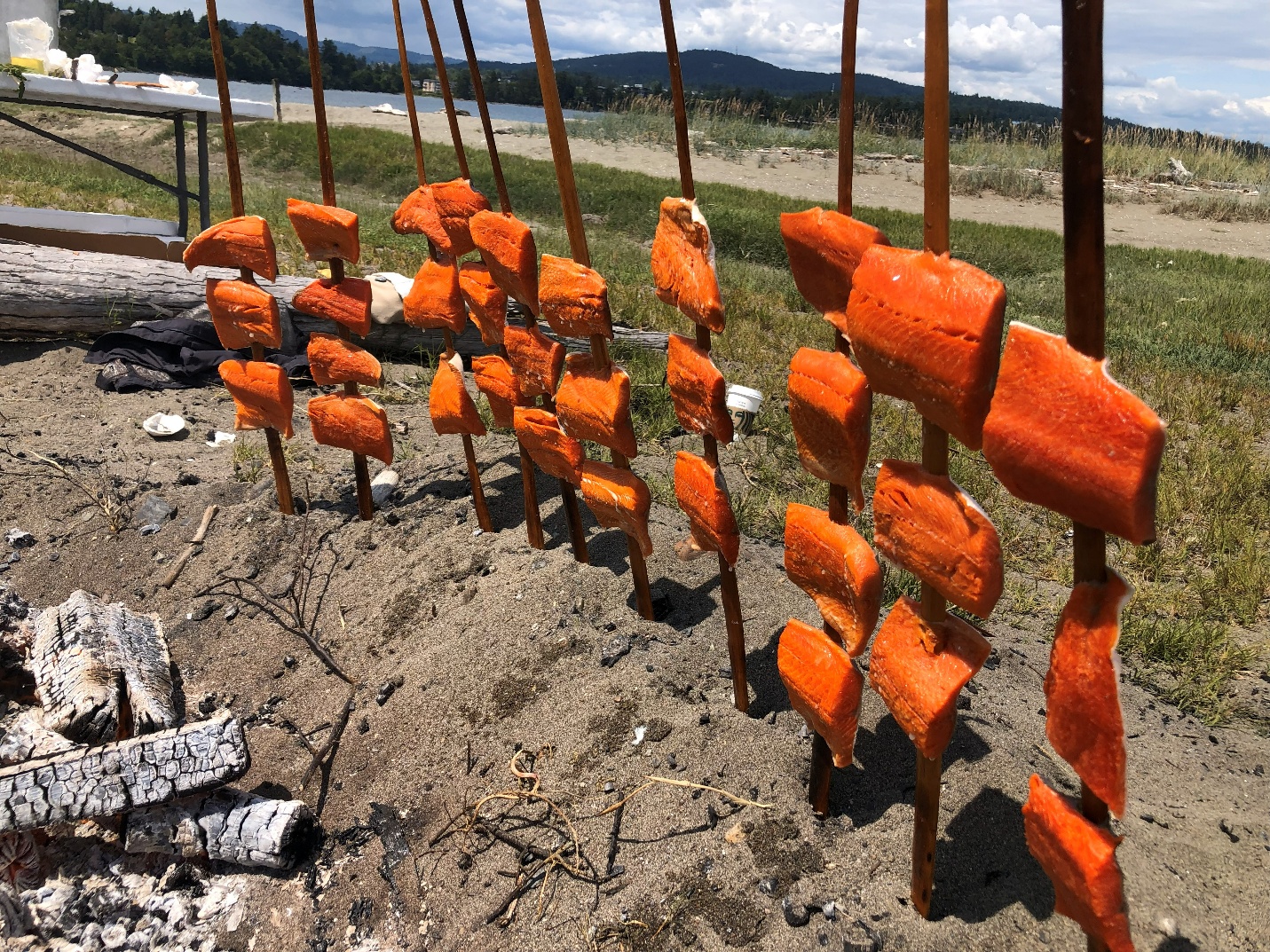
SȾÁUTW̱ Fisheries understands the importance of food sovereignty and connecting the community back to a traditional diet, which as Saltwater People, largely revolved around seafood. Seafood plays a vital role in the traditional diet of the W̱SÁNEĆ people, providing nutrients that are essential to maintaining good health and preventing chronic disease. Fishing for our own seafood—and teaching every generation to do the same—ensures that SȾÁUTW̱’s relationship to the ocean continues and is guided by ancestral teachings and community priorities.
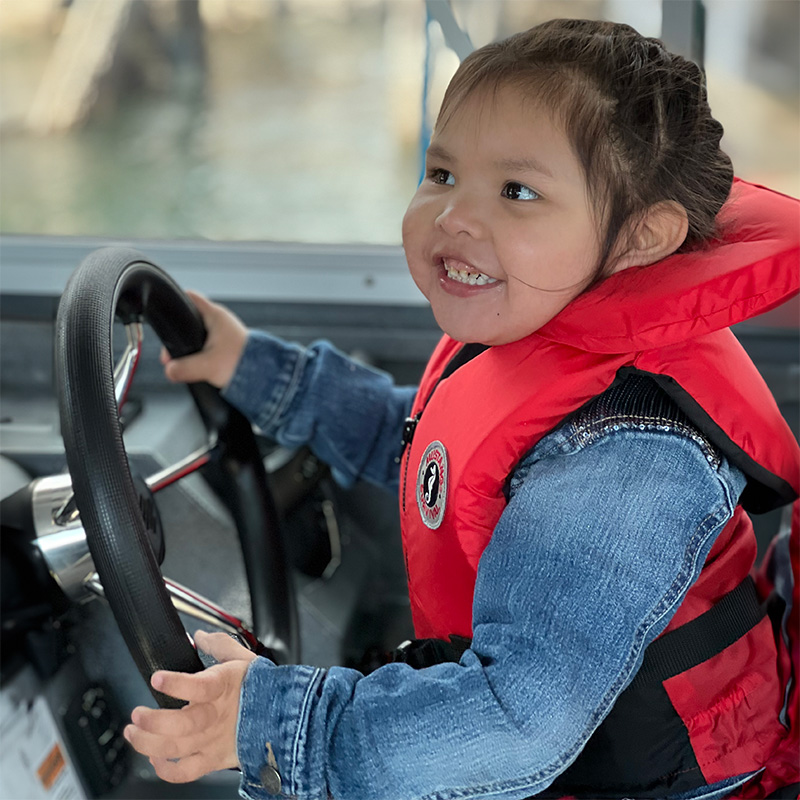
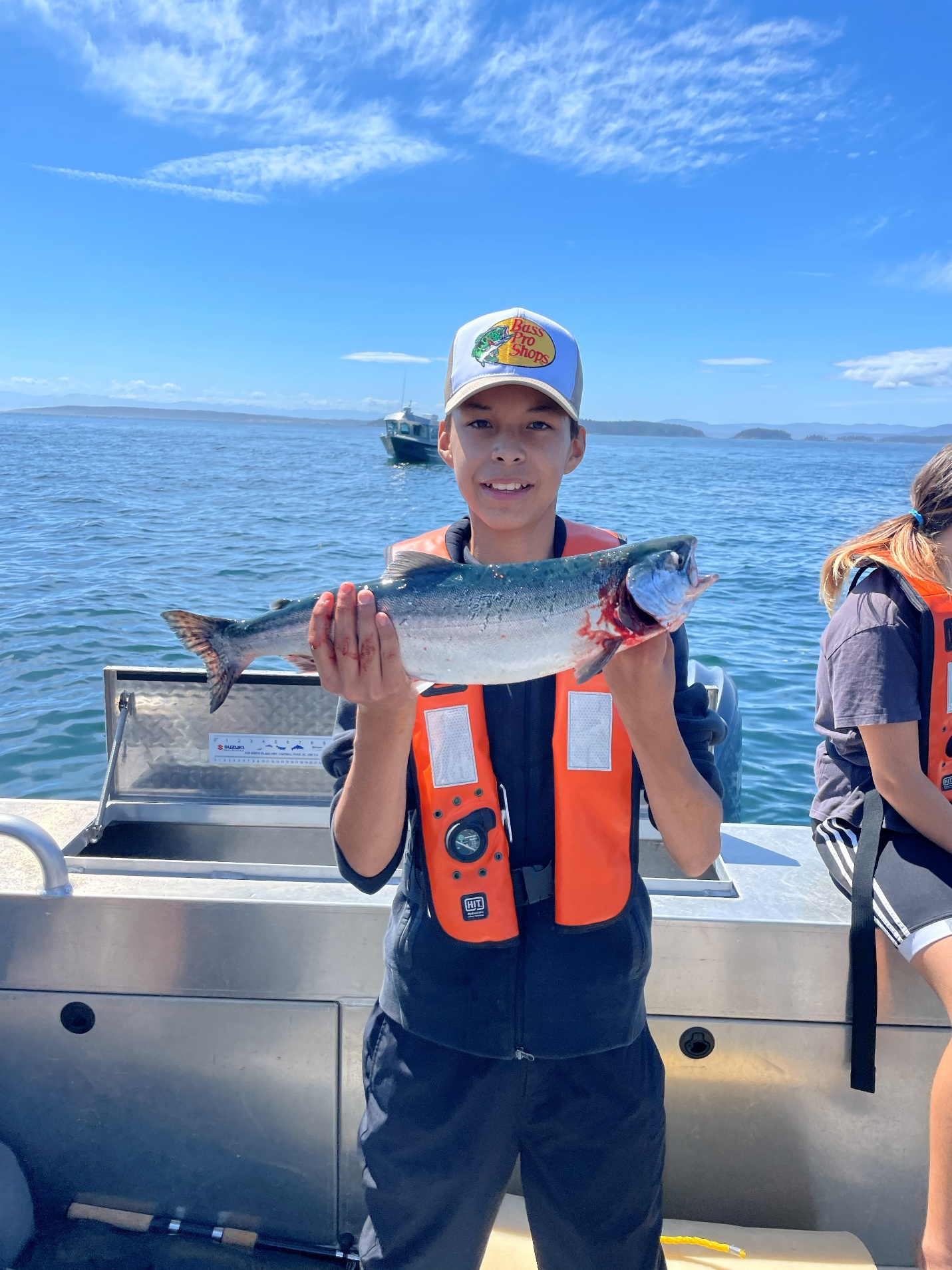
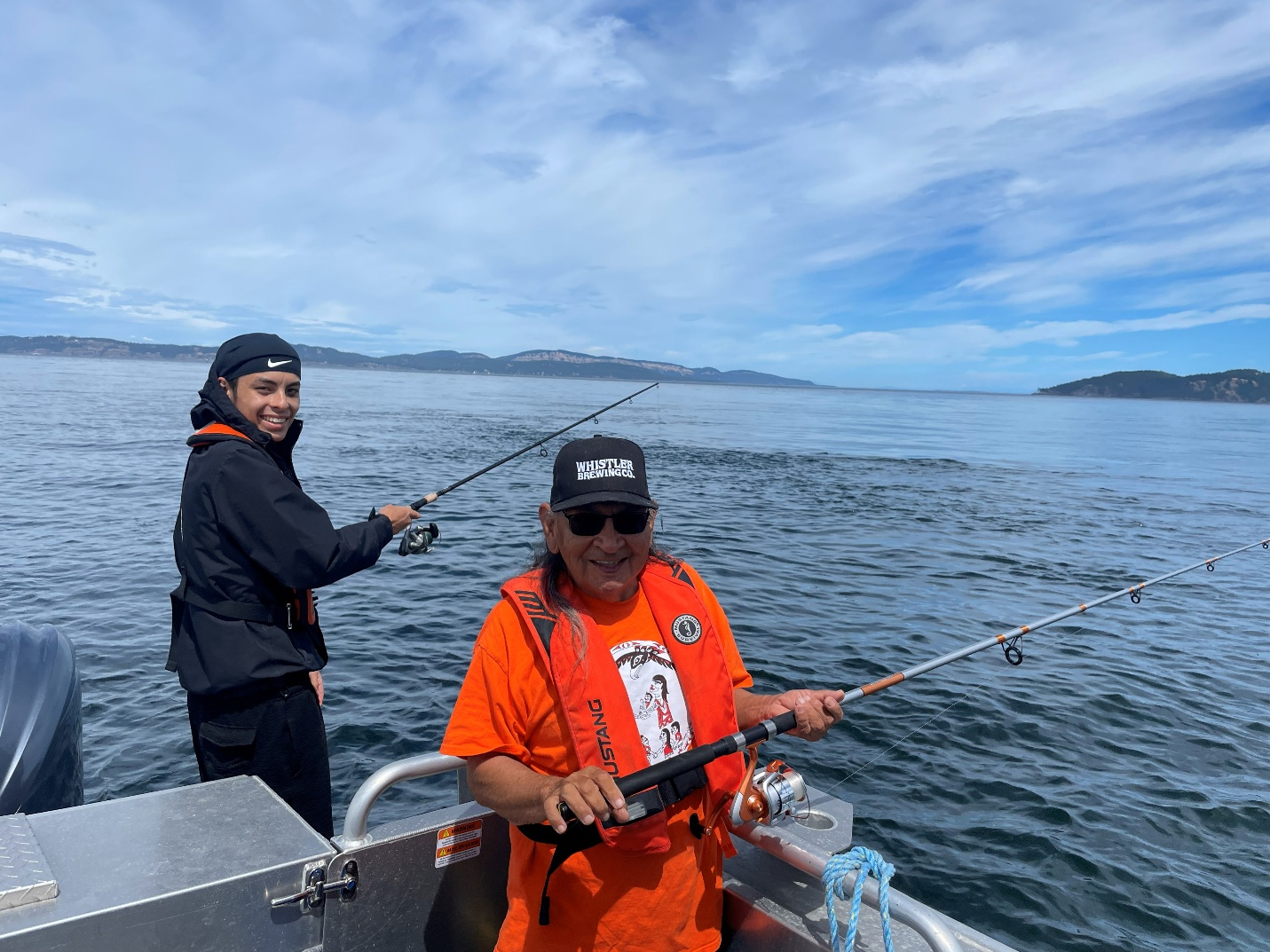
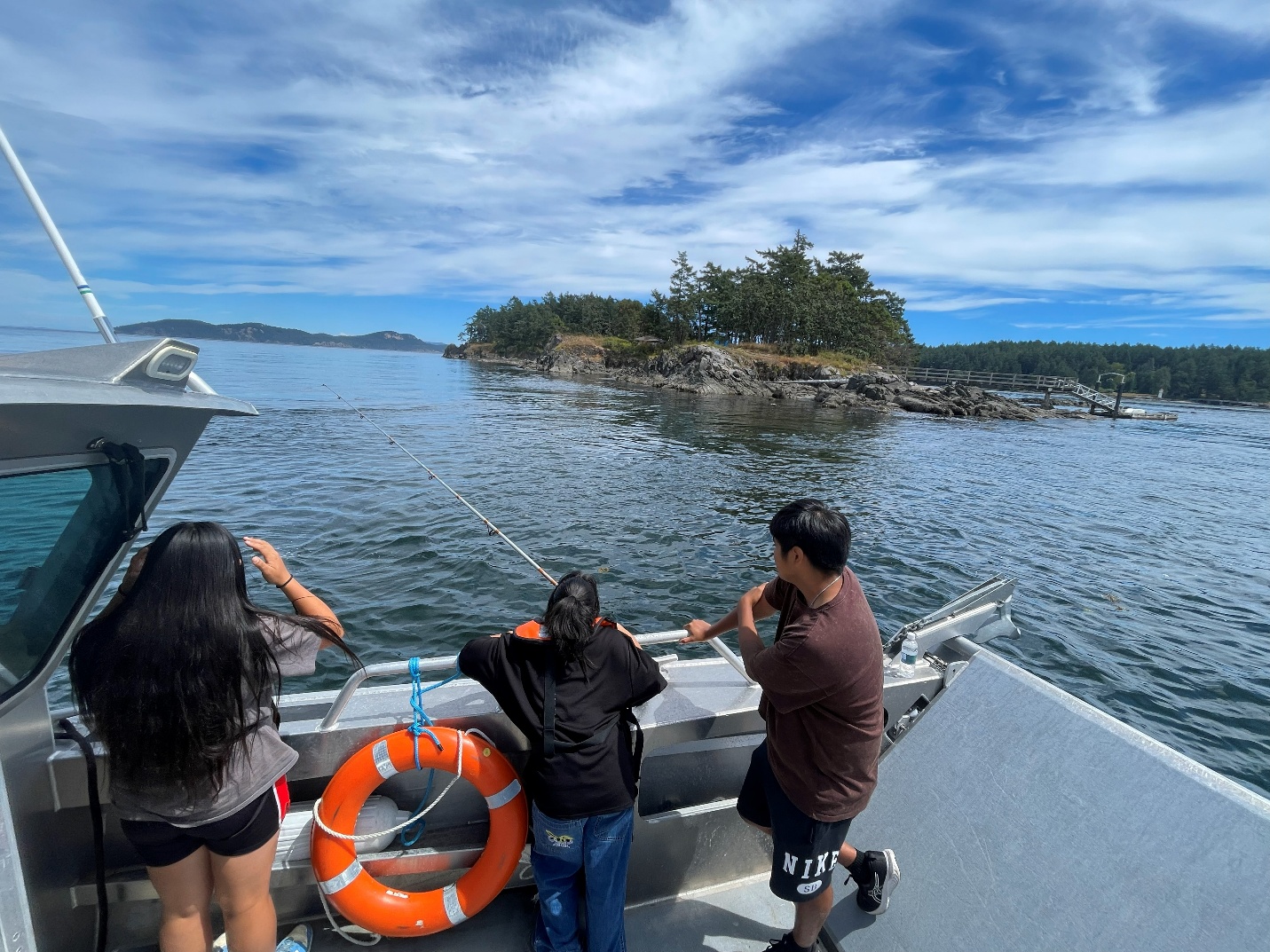
We have prioritized developing skills and procuring fishing equipment within the Nation to provide opportunities for community to get out on the water. Training community members to fish for themselves is a core part of Food Sovereignty and our programming. Teaching youth, families, and those reconnecting to their roots helps restore skills that have always been central to community wellbeing. Through this programming we want to encourage knowledge transfer between generations and create opportunities to learn from community fishers.

Food Distributions
Community food distributions reflect traditional values of sharing and care, ensuring harvested foods are distributed to Elders and families. These practices strengthen community well-being, support cultural continuity, and uphold long-standing systems of reciprocity.